
Life milestones in Cornwall
Are the markers of adulthood shifting?
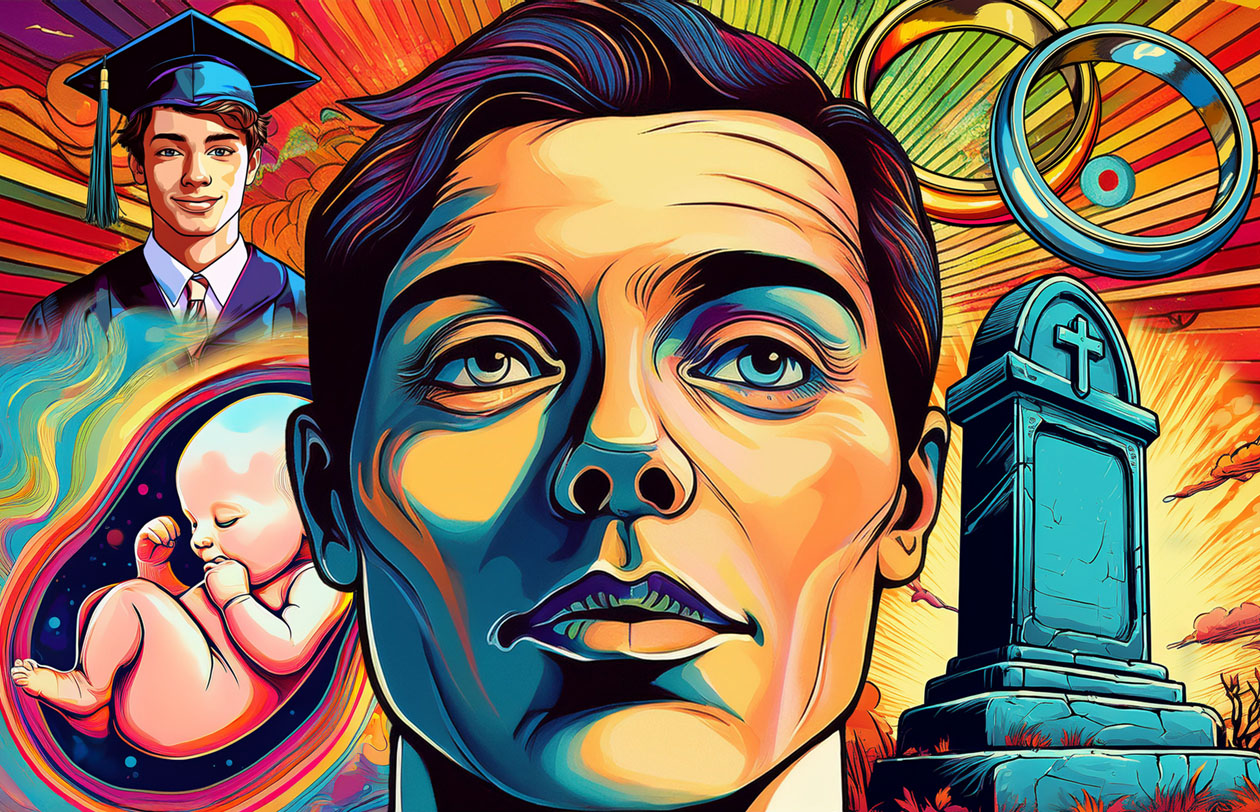
A new survey of 132 members of the What Cornwall Thinks panel suggests that many of the traditional milestones associated with adulthood are happening later than they did for previous generations. While respondents’ own experiences varied, there was a strong consensus that key transitions such as leaving home, buying a first home, getting married and having children are increasingly delayed.
The findings paint a picture of a generation facing greater financial pressures and housing challenges, while also making different choices about education, careers and family life.
The traditional path to adulthood
Looking back at their own experiences, many respondents reached major life milestones relatively early in life.
Almost half (48%) first moved out of their parental home between the ages of 18 and 20, while a further 23% did so between 21 and 24. Just 8% did not move out until age 25 or later.
Starting work also happened relatively early for many. More than half (51%) got their first regular job before turning 18, while only 4% did not begin regular employment until age 25 or above.
Marriage tended to happen in people’s twenties. Among all respondents, 28% first married or entered a civil partnership between the ages of 20 and 24, and 20% between 25 and 29. A further 20% married for the first time between 30 and 34, while 19% had never married.
Parenthood was spread across a wider age range. Around 23% became parents before age 25, 34% had their first child between 25 and 34, and 10% did not become parents until their late thirties or later. Eleven per cent had never had children.
A strong feeling that milestones are happening later
Although respondents often reached these milestones relatively early themselves, many felt that younger generations are taking longer to do so.
The clearest consensus concerned leaving the family home. More than eight in ten respondents (83%) said people today leave home later than previous generations.
There was also widespread agreement that people now:
- buy their first home later (64%);
- have their first child later (59%);
- get married later (55%);
- leave full-time education later (56%);
- start their first regular job later (46%).
For several milestones, substantial minorities went further, saying that fewer people are reaching them at all. More than a quarter (27%) felt fewer people are buying their first home, while 24% said fewer people are getting married.
Housing dominates explanations
When asked why life milestones appear to be occurring later, housing emerged as the dominant theme.
Nearly two-thirds (64%) selected higher house prices as one of the main reasons. More than half (53%) cited the cost of living, while 35% pointed to higher rents.
Employment and financial considerations were also seen as important factors. A quarter (26%) mentioned difficulty finding secure employment, while others felt that people increasingly want to establish their careers (16%) or achieve financial security (12%) before making major life commitments.
Alongside these economic pressures, respondents also highlighted changing social attitudes. Around 30% pointed to changing attitudes towards marriage and 22% to changing attitudes towards having children.
The comments left by respondents often linked these themes together. Many described younger people facing a “catch-22” situation, with housing costs, employment opportunities and financial insecurity making it harder to become independent. Others felt that changing expectations mean people are taking more time to decide when, or whether, to marry and have children.
When do people feel like adults?
One of the most interesting findings was that adulthood is often associated with responsibility rather than any single milestone.
The most common answer was leaving home and living independently (18%), followed by starting a career (15%). Similar proportions pointed to gradual personal development (14%), financial independence (11%), becoming a parent (8%) or experiencing a major life event that changed their perspective (5%).
Notably, 13% said they had never really felt like an adult. Another 14% said there was no single defining moment and that adulthood happened gradually.
The open-ended responses reinforced this idea. While some people identified clear moments such as getting married, becoming a parent, taking on a mortgage or starting a career, many described adulthood as a gradual process of accepting responsibility and becoming self-reliant. Others pointed to major life challenges, including bereavement, caring responsibilities or other personal experiences, as the moments that changed their outlook.
The survey also found evidence that some experiences differed between age groups.
Respondents aged 60 and over were significantly more likely than average to have left full-time education at age 16 and significantly more likely to have married before the age of 20. Conversely, younger respondents were much more likely to have remained in education until their late teens or early twenties.
These differences underline how the pathway into adulthood has changed over time. Longer periods in education, together with changing labour and housing markets, mean that younger generations are often reaching traditional milestones later than their parents and grandparents did.
Conclusion
The survey suggests that Cornish residents see adulthood as arriving later than it once did. Rising house prices, the cost of living and challenges in the housing market dominate people’s explanations, although changing attitudes towards relationships, careers and family life are also seen as important.
Perhaps the most striking finding is that adulthood is no longer defined by a single event. For many people, becoming an adult is less about reaching traditional milestones and more about developing independence, taking responsibility and learning to navigate life’s challenges.